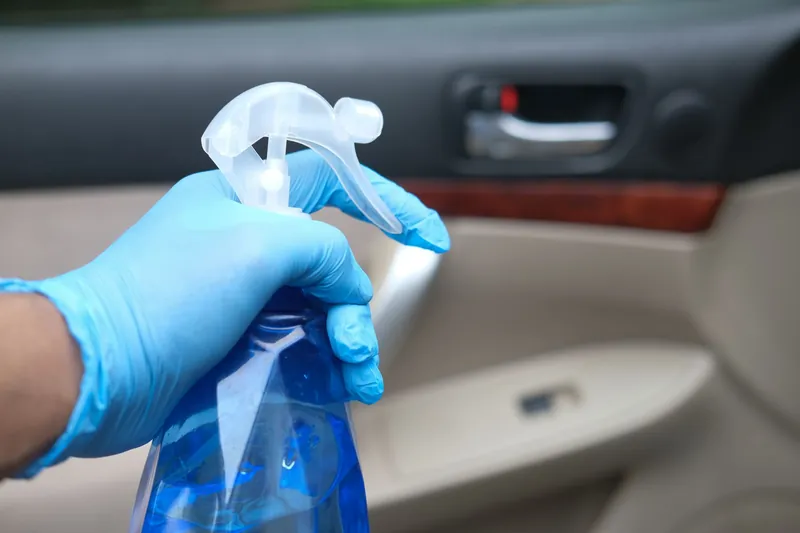
Police and Ambulance Vehicle Decontamination
Decontamination treats ambulances, law enforcement cars and transportation vehicles.
See police and ambulance vehicle decontaminationGet blood, bodily fluids, waste and odor removed from a car, truck, RV or boat in Boman Acres. Vehicle biohazard remediation reaches hidden contamination in seats, carpet, trim and the air system.
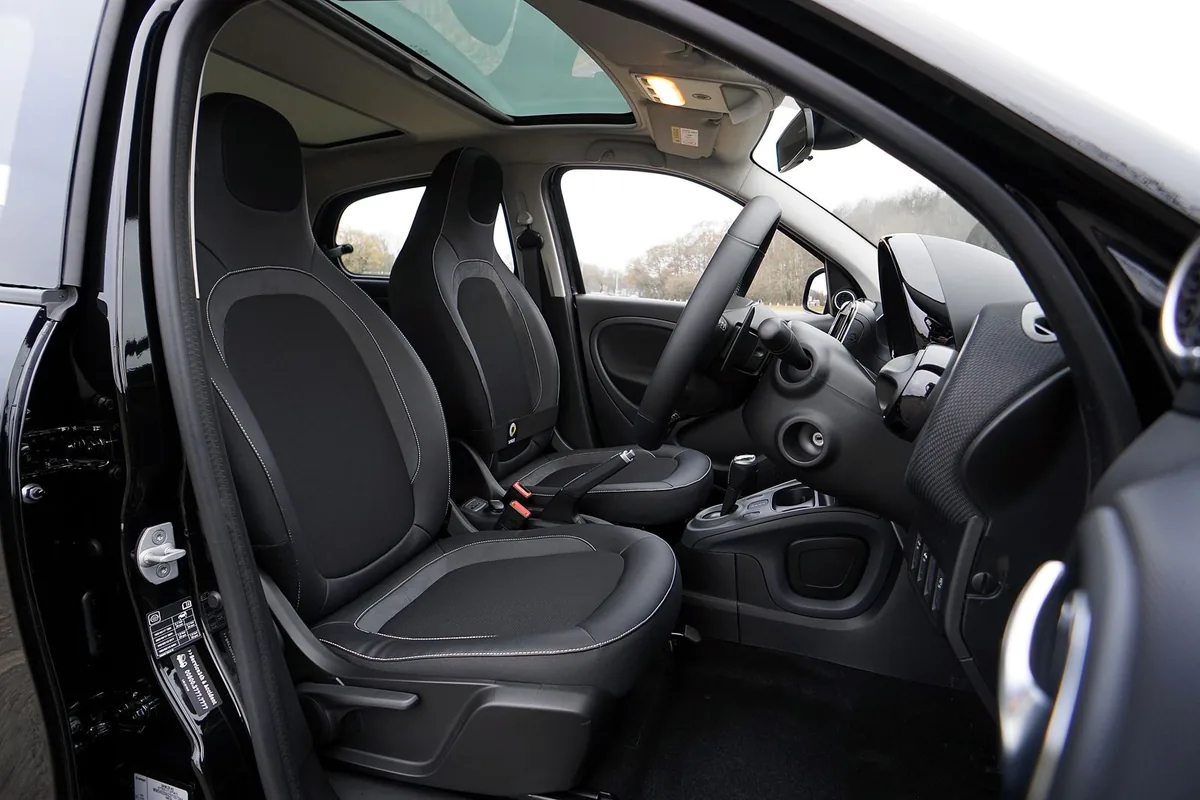
Vehicle biohazard cleanup is the careful removal of blood, bodily fluids, human waste, animal waste and other contaminated materials from a car, truck, RV, boat or fleet unit, followed by cleaning, disinfection and odor treatment.
Hidden routes throughout a vehicle let contamination travel. Fluid may soak past upholstery and into seat foam, flow under the carpeting, settle by trim fasteners or enter channels for wiring. Odor may also move with airflow toward vents and the cabin filter. Detailing is mainly about how an interior looks. Biohazard remediation instead traces the affected path and checks nearby areas.
A controlled assessment guides the use of protective equipment, detailed cleaning, hazardous waste disposal and removal of anything that cannot be fully disinfected. The label's complete contact time is observed by keeping an EPA-registered disinfectant wet. This process clarifies which vehicle components can remain and which affected interior materials must come out.
Learn about the vehicle inspection process before you select a cleanup company. Before you move forward, learn what the inspection found, which components may remain, what needs removal and what can change the cost.
Your input guides the way personal belongings, records and tools are organized. Belongings found inside are evaluated instead of automatically being classified as waste.
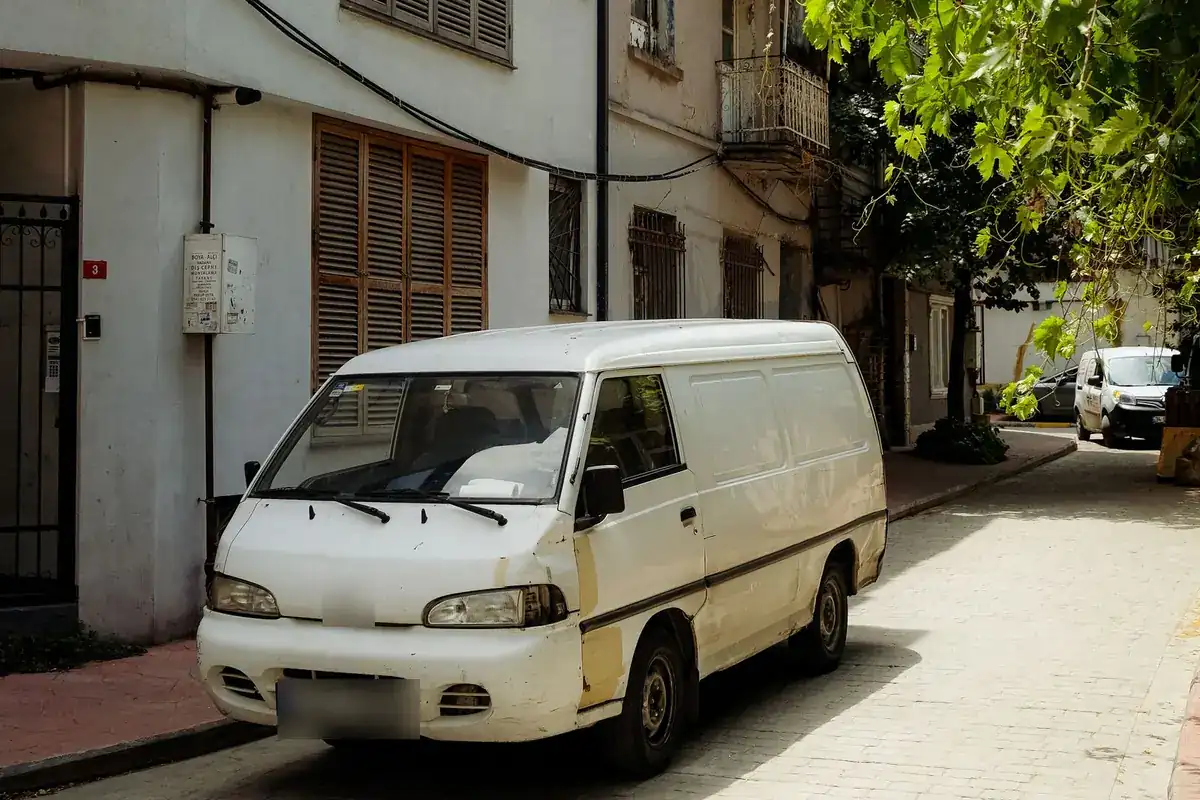
Calls are answered day and night, and crews arrive in unmarked vehicles. You can explain the situation privately and decide the next step without pressure.
Documentation for your property owner, fleet records or insurance company can include images, the cleaning scope and details of materials taken out.
Every situation is different, but biohazard vehicle cleaning services are needed when contamination goes beyond a small mark that can be safely wiped from a hard surface. These are common reasons to keep the vehicle closed and ask for an inspection:
Urine, feces or vomit from illness, incontinence or extended occupancy can enter seams and porous materials where normal car cleaning cannot reach.
When a death occurs in a vehicle, seat foam, flooring, trim and air quality may be affected. The source must be removed before disinfection and odor removal.
After law enforcement releases a vehicle connected to a crime or traumatic event, a cleaning service can address contamination without asking you or your loved ones to face it.
Taxis, rideshare cars, work trucks and emergency response vehicles may need a documented cleaning process before the affected vehicle returns to service.
Begin by reducing contact and preventing affected material from traveling farther inside the vehicle. Before cleanup technicians examine it, use these precautions:
Call (888) 351-0904The published range for vehicle biohazard cleanup is $500 to $5,000. The final cost depends on the interior materials, how serious the event was, the time since it happened and whether the air system needs decontamination. An inspection is needed because contamination beneath a seat or carpet may not be visible from the door.
Published national cost guides are the source for these ranges, rather than an inspection of your property. The price for your property is set after the on-site assessment, and you hear it before work starts.
Ask about cost: (888) 351-0904Vehicle biohazard cleanup may be covered by auto insurance when your policy covers what caused the contamination. Requirements for records, policy coverage and deductible amounts vary. When possible, speak with the insurance company prior to authorizing cleanup.
Your file should include the claim reference, photos, cleaning scope, waste documentation and removed-material list. Check with your claims adjuster prior to disposing of damaged items that could require examination.
Tell the adjuster what happened without disturbing the vehicle. Find out whether the policy pays for towing, biohazard cleaning, affected interior removal and later restoration.
Victims of violent crime can ask the Oklahoma Crime Victims Compensation Program, run through the Oklahoma District Attorneys Council, about crime scene cleanup, which the Crime Victims Compensation Act lists as an allowable expense. Insurance is usually checked first.
Typically, the fleet manager or vehicle owner opens the claim and authorizes entry. Commercial vehicle coverage may apply different caps, exceptions and paperwork standards.
To avoid spreading contamination from one cabin section into another, vehicle biohazard remediation proceeds in a controlled order from start to finish. What happened, the time after exposure and the vehicle's interior materials shape each step.
Cleanup technicians inspect the cabin, cargo space, trunk, seat seams, flooring and visible air intakes. Photos record the starting condition and help define the work.
People outside the cleanup are kept away from the vehicle and work zone. Technicians use gloves, protective clothing, eye protection and other gear suited to the exposure.
Personal property is sorted among apparently unaffected belongings, cleanable items and contaminated materials needing disposal or a decision from you.
Interior trim, headliner, padding, carpeting, foam or seat coverings are taken out only when contamination has penetrated materials that cannot be completely disinfected.
An EPA-registered disinfectant is applied after hard materials have been cleaned. The surface stays wet for the contact time stated on the product label.
The air intake, vents and cabin filter are checked when odor or contamination may have entered the climate system. The primary task is still source removal.
Packaging and disposal of removed items follow the regulations for that type of waste. Documentation may be useful for fleet records or an insurance claim.
The affected areas and surrounding areas receive a final visual check so contaminated material is not left behind. The final summary tells you which items were taken out, what surfaces were cleaned and which restoration services remain.
Call at any time. A vehicle biohazard cleanup specialist answers, explains the steps and agrees a start time with you.
Inside the confined space of a vehicle, hidden sharps, body fluids, blood and waste may present significant health hazards.
Liquid follows seams and gravity. Even if the surface appears dry, it may have entered foam, padding, floor channels or hardware below.
Hepatitis B, hepatitis C and HIV may be present in blood. According to the CDC, hepatitis B remains viable on surfaces for at least seven days, which means dry material still requires care.
Under seats, inside pockets and around personal property are places where a needle may remain unseen. Picking through the cabin without puncture-resistant tools can cause an exposure.
Can you clean it yourself? With gloves, you may clean several fresh drops from a non-porous hard surface using an EPA-registered disinfectant that stays on for the complete label contact time. If a sharp item is present or fluid has penetrated a seam, upholstery, padding, carpet, roof lining or vent, do not enter and seek professional cleanup.
Whether an interior part stays depends on material and access. Non-porous pieces may remain if there is access to clean and disinfect every side. Affected porous material may require removal after a spill soaks in.
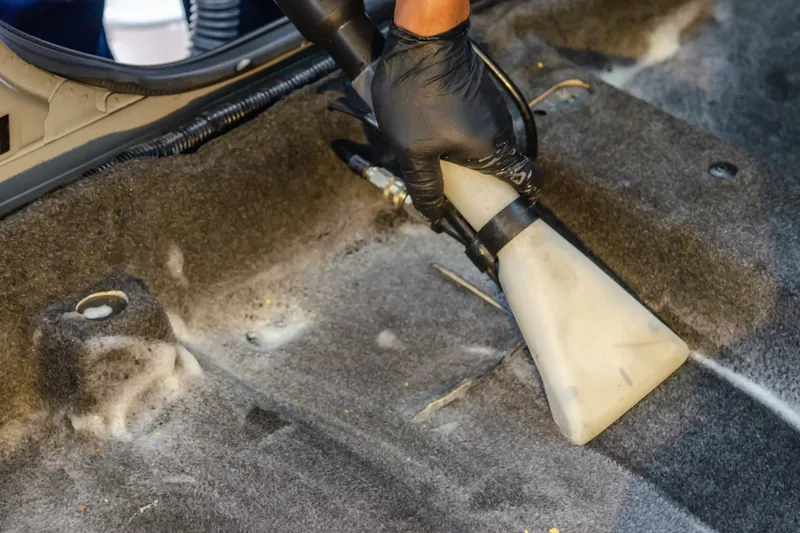
How much time biohazard vehicle cleaning requires can be determined after inspection. A hard-surface area with limited contamination takes less time than work needing seats and carpeting removed, vents examined, treatments repeated or components replaced.
| Scene | Typical time on site |
|---|---|
| Limited hard-surface contamination | Time estimate established following an inspection of the affected area |
| Affected seating, floor covering or cargo space | Longer when interior parts must be removed |
| Widespread contamination or air-system work | Access conditions, drying time and restoration work determine the schedule |
Vehicle odor removal begins by finding and removing the contaminated source. Fragrance, an air freshener or surface shampoo can hide odor for a short time, but it cannot clean fluid inside seat foam, carpet padding, insulation or a cabin filter.
Reachable areas are cleaned and disinfected following removal of the source. If the climate system carried odor, inspection can include its intake, cabin filter and vents. Treating the air may complement the work, but it cannot substitute for taking out contaminated porous material. Do not turn on the fan before evaluation of the source and route of airflow.
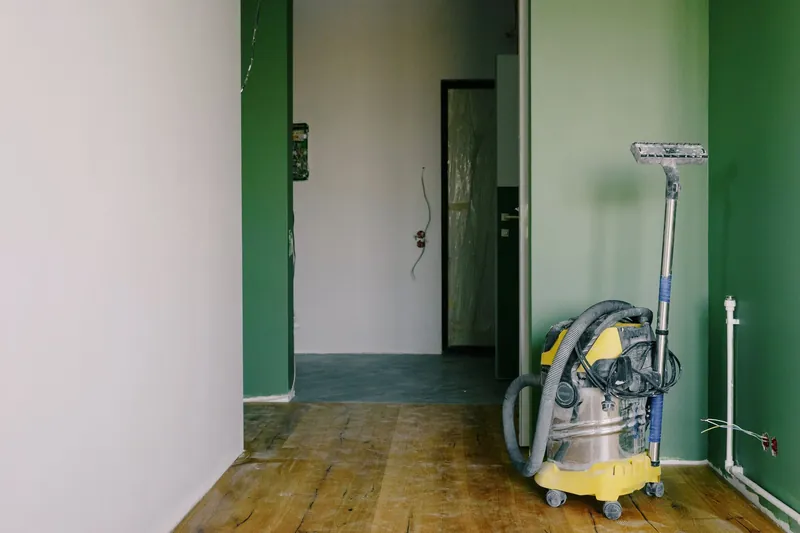
The full vehicle biohazard cleanup guide covers what is cleaned or removed, odor and air quality work, and the rules that apply in Oklahoma and Tulsa County.
Read the full vehicle biohazard cleanup guideLocal housing, population and access details can shape containment, access and cleanup planning.
A listed distance of 3.6 miles to Ascension St John Medical Center gives a practical medical reference when someone has contacted blood or waste.
Crews coming in from Johansen Acres, Hoover or Moeller Heights should keep vehicles and equipment staged close to the affected property for privacy.
Neighborhood level directions help narrow the location, but crews still need entrance details before bringing containment and cleaning equipment inside.
Your phone conversation can include questions about service in nearby ZIP codes and communities.
Decontamination treats ambulances, law enforcement cars and transportation vehicles.
See police and ambulance vehicle decontamination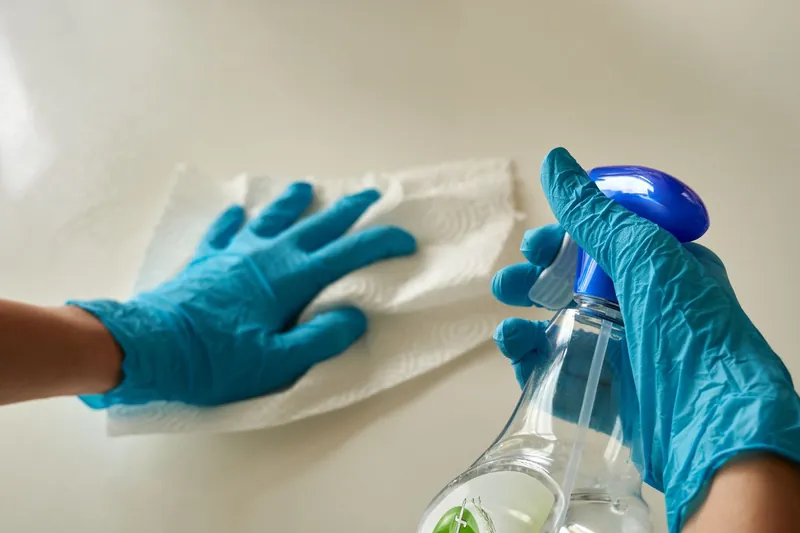
Blood cleanup on carpet, hard floors, walls and furniture with safe disposal.
See blood cleanup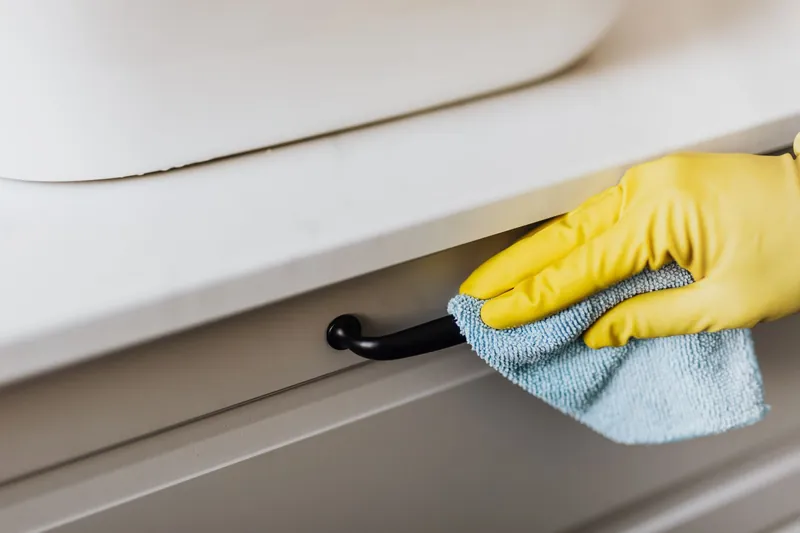
Homes, care environments and businesses receive bodily fluid cleanup and disinfection.
See bodily fluid cleanup
Biohazard carpet and upholstery cleaning, or safe removal when needed.
See biohazard carpet and upholstery cleaning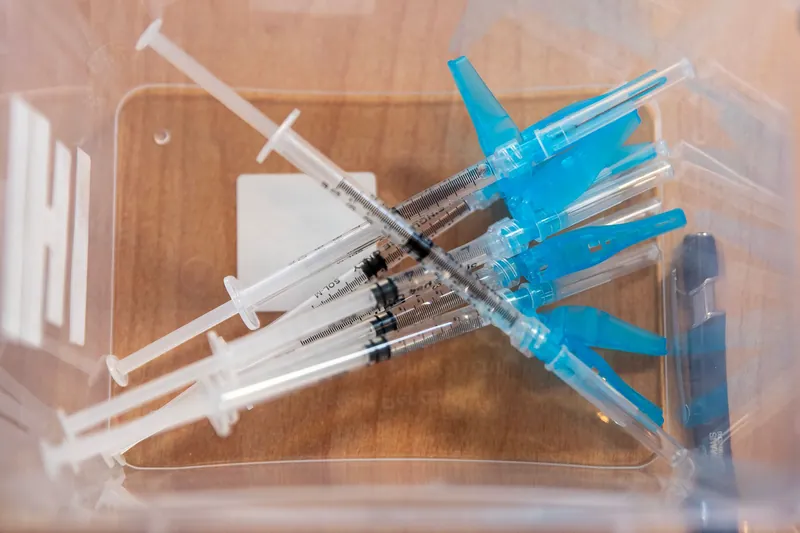
Needle and sharps cleanup for yards, rentals, parks and encampments.
See needle and sharps cleanup
Trauma scene cleanup addresses the aftermath of accidents, injuries and violent incidents.
See trauma scene cleanup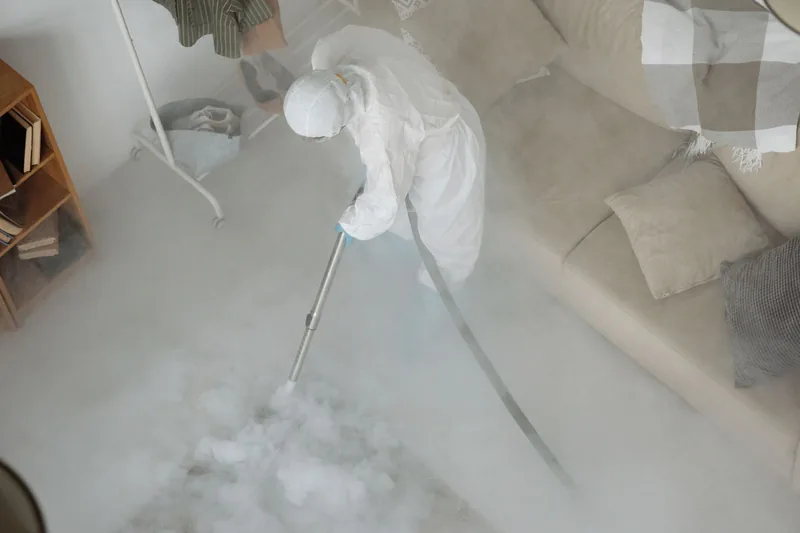
Complete decontamination treats the room, its surfaces and the air after a hazardous or infectious exposure.
See biohazard decontamination
Pickup and disposal of biohazard waste use containers that are sealed and labeled.
See biohazard waste disposalSeparate the belongings prior to beginning any cleaning. Belongings beyond the affected area can be separated, and washable non-porous objects may receive cleaning. Absorbent personal items that contacted liquid might not be saved. If the vehicle might contain needles or other sharp materials, do not search through belongings or reach into concealed areas.
Ordinary detail work addresses appearance along with common dirt and stains. Biohazard remediation must consider bloodborne pathogens, hidden liquid paths, protective gear, disinfectant contact time and hazardous waste. If contamination reached seat foam, carpet padding, insulation or vents, shampooing the visible fabric does not address everything beneath it. Make sure you ask specifically about professional biohazard cleanup.
Biohazard damage means blood, bodily fluids, waste or related contamination affected the vehicle. Possible damage includes odor, stains and unsafe materials that require removal, including saturated carpet padding or seat foam. You cannot treat it as routine dirt. It can also differ from chemical damage, which may require a separate hazmat evaluation.
A safe outcome requires locating the entire affected area and successfully treating or taking out porous items that were contaminated. Get a clear record of cleaning and removal, including confirmation about inspection of vents or the cabin air filter. Before purchasing the car, examine every available document and consider arranging your own inspection.
A truck, RV, boat, fleet unit or car becomes a biohazard vehicle when contaminated by sharps, animal waste, human waste, bodily fluids, blood or other potentially infectious material. Contamination is what the term identifies, regardless of the vehicle's make or type. An inspection determines which surfaces can be cleaned and which porous parts may need removal.
When a vehicle is reported for biohazards, it commonly means a record source received notice of prior contamination. You do not learn the specific incident, present condition or quality of cleaning from that notation. Ask the seller or owner for the event details, cleanup records, replaced-parts list and an independent inspection before deciding whether to buy or use it.
Respectful, discreet vehicle biohazard cleanup is available 24 hours a day, and crews arrive in unmarked vehicles.