Bodily Fluid Cleanup
Bodily fluid cleanup and disinfection for homes, care settings and businesses.
See bodily fluid cleanupGet human feces removed from a home, rental, workplace or public restroom in Point South. The affected area is cleaned, disinfected and treated for odor before normal use resumes.
Human feces cleanup removes fecal matter in a controlled way and includes safe disposal, thorough cleaning, disinfection and odor treatment wherever contamination occurred.
You may need this cleaning service after an illness, an accident, an overflowing toilet, a sanitation problem, a hoarding condition or repeated contamination in a shared space. Cleanup can take place in a home, apartment, hotel, care setting, store, office, school or public restroom. Urine and feces cleanup can also be completed together when both are present.
Removing what you can see is only one part of the work. Technicians set up a work zone and shield nearby areas, then discard contaminated items that cannot be disinfected. Hard surfaces are cleaned before an EPA-registered disinfectant stays on for the entire contact time stated on its label. Air quality and odor work come after the source is removed, rather than relying only on fragrance.
Someone answers calls around the clock, and the cleaning crew can arrive in unmarked vehicles. You can explain what happened in a calm, nonjudgmental conversation.
When possible, you take part as personal items are assessed. Workers do not classify belongings as waste based solely on proximity to the affected area.
The cleaning plan, possible removals and factors that could alter the scope are explained to you in advance. There is time for your questions during the entire process.
When requested, pictures, work details and disposal paperwork can be organized for insurance companies, property managers and property owners.
The condition, location or amount of contamination can make household cleaning impractical or unsafe. These are common circumstances in which professional cleanup services are appropriate:
Property owners and managers may find waste after a move-out, eviction or welfare check. Careful cleaning is needed before the unit is inspected, repaired or occupied by another tenant.
After fecal contamination affects a vehicle, shared area, office or restroom, an employer may need a timely, documented cleaning process.
A mixture of contaminants may penetrate upholstery, grout, wood and carpeting. Before odor or stain treatment, the source needs to be taken away.
A bowel accident can affect bedding, furniture, flooring and the path used to leave the room. Surrounding areas reached by hands, wheels or footwear are cleaned along with the visible spot.
Stopping contamination from traveling and avoiding contact are your immediate priorities. Take the steps below while making arrangements for an appropriate cleanup service:
Call (888) 351-0904No separate range for human feces cleanup appears in published pricing guides. The nearest bodily-fluid range, covering small blood or fluid cleanup, starts at $500 and ends at $2,500 overall. The wider blood-cleanup span has $300 at the low end and $4,000 at the high end. These related references are not a set quote for feces cleanup. The amount of waste, affected surface, disposal needs and odor treatment determine your cost.
These national ranges are taken from published cost guides, rather than a property visit. You learn what your property will cost after the on-site assessment and before any work begins.
Ask about cost: (888) 351-0904Coverage depends on what caused the contamination, which property was damaged and the terms, limits and exclusions in your policy.
Lease language, local regulations and the source of contamination can affect responsibility. When practical, property owners should record the damage and contact the insurer before throwing away affected building material.
Confirm with your insurance company whether the policy covers the cause and treats cleaning, damaged-material removal and restoration as distinct claim items. An unexpected incident and ongoing neglect may receive different coverage treatment.
Waste paperwork, an item-by-item scope and pictures can help document an insurance claim. Find out if the cleaning service is your choice and whether restoration services need their own authorization.
The business typically coordinates cleaning for the property it occupies. Confirm required records with the insurance company while preventing access to the affected area until cleanup ends.
To keep waste from being carried into clean spaces, the remediation work proceeds in a controlled order from contaminated areas. You are informed about the scope of every step before cleaning starts.
During assessment, trained technicians locate affected areas and surfaces, note access limits, and check for urine, needles, an active sewage backup or blood.
While the affected space is restricted, cleanup technicians put on protective gear appropriate to the hazard. Controlled, clean access paths help keep contamination away from nearby rooms.
Rather than spraying or sweeping it, workers carefully pick up visible material. Workers put disposable items straight into strong containers or bags that close securely.
You can approve removal of uncleanable drywall, furniture, carpet, padding or unsealed wood, which remains separated from items without contamination.
Soil and residue are cleaned from hard surfaces first. This matters because disinfectants work only when they reach the surface for the stated contact time.
Workers follow label directions when applying an EPA-registered disinfectant compatible with the surface. If contact might have transferred contamination, workers include adjacent surfaces and commonly touched spots.
Odor work starts only after removal of its source. If particles or odors travel outside the initial area, targeted treatment and air scrubbers may be used.
Workers inspect the cleaned space for odor, leftover material or areas that were missed. Workers follow local waste requirements for filled bags, and repair work can follow the cleaning.
Phone any hour. A human feces cleanup specialist answers, explains the steps and agrees a start time with you.
Human feces can contain disease-causing bacteria, viruses and parasites, so direct contact and accidental spread are the main health risks during cleanup.
Waste can conceal syringes, glass fragments and other sharp items. If you cannot view everything inside, keep your hands out of piles and do not squeeze bags.
Children, older adults and people with weakened immune systems should stay out of the affected and surrounding areas until removal, disinfection and final checks are complete.
Yes, organisms in fecal matter can cause disease, which means you need to treat the material as a biohazard. Waste that appears dried out can still pose a risk, so you should not touch it bare-handed.
Can you clean it yourself? When a recent accident is minor and the surface is sealed and non-porous, you may manage it with disposable gloves, cautious pickup and an EPA-registered disinfectant left on for the full label contact time. Seek professional cleanup for waste that is dry or widespread, includes blood or sharp items, or has soaked through wood, carpet, furniture, drywall or any absorbent material.
Items are generally retained when every affected part is accessible and can be completely disinfected. If waste has soaked into porous material, removal may be necessary because contamination might remain under the surface you can see.
Several hours may be enough for a small cleanup confined to hard surfaces. Work involving multiple rooms, absorbed contamination, concealed areas or odor may last one or more workdays. Any repairs add more time.
| Scene | Typical time on site |
|---|---|
| Small, recent hard-surface area | Often completed in several hours |
| One room with porous materials | May require a full workday |
| Several rooms or accumulated waste | May require multiple workdays |
Finding and taking away every source is the first step in odor removal. Fecal material may be hidden in grout, beneath carpeting, beside baseboards, under furnishings or within damaged construction materials. A fragrance can briefly mask an odor, but cannot clean any contamination that remains.
After removal and disinfection, air scrubbers can help capture airborne particles while ventilation and controlled drying improve the room. Persistent odor can point to hidden residue, urine, moisture or an active plumbing problem. Those sources need attention before the space can move forward to repairs or normal use.
The full human feces cleanup guide covers what is cleaned or removed, odor and air quality work, and the rules that apply in your state.
Read the full human feces cleanup guideLocal housing, population and access details can shape containment, access and cleanup planning.
Knowing that Saint Francis Hospital is about 0.9 miles away helps households plan where to seek care before arranging scene cleanup.
Nearby communities include Braeswood, Livingston Park, and Willow Creek, useful geographic references when explaining a property location to a cleanup crew.
In Point South, identifying the correct building entrance can reduce unnecessary movement through shared spaces during a sensitive cleanup.
Ask on the call about cleanup options for neighboring communities and ZIP codes.
Bodily fluid cleanup and disinfection for homes, care settings and businesses.
See bodily fluid cleanup
Urine cleanup and odor removal address furniture, floors and subfloors.
See urine cleanup
Disinfection after vomit cleanup keeps norovirus and other germs from spreading further.
See vomit cleanup
Cleanup removes infectious material, including blood and body fluids, and disinfects the property.
See biohazard cleanup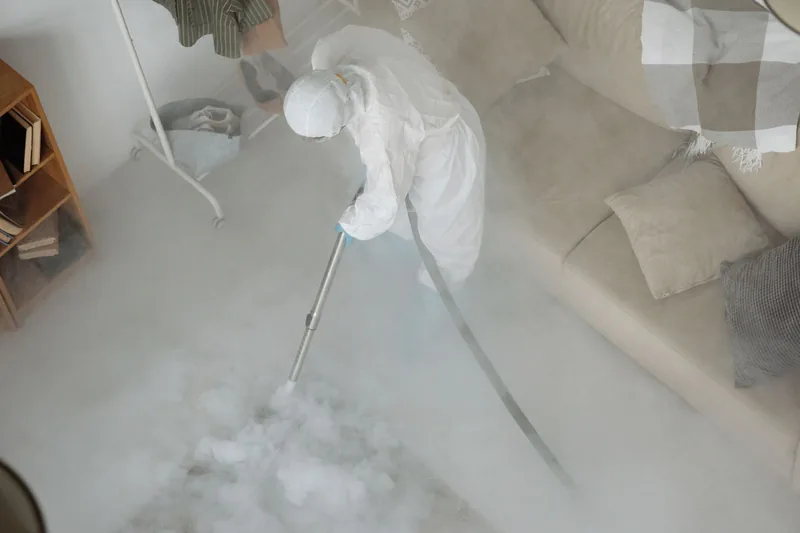
Complete decontamination treats the room, its surfaces and the air after a hazardous or infectious exposure.
See biohazard decontamination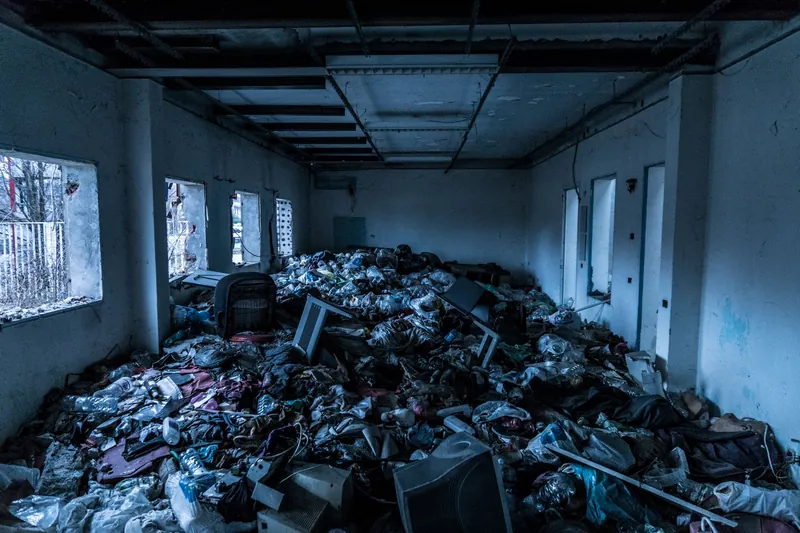
Hoarding cleanup with respectful sorting, removal and deep cleaning.
See hoarding cleanup
Cleanup addresses severe filth and squalor when a home has become unsafe to live in.
See filth and squalor cleanup
Sewage cleanup removes Category 3 black water from raw sewage, then disinfects and dries the area.
See raw sewage cleanupFor a small fresh accident, keep others away, wear disposable gloves, lift the material without splashing, clean visible soil and use an EPA-registered disinfectant for its full label contact time. Do not mix cleaning chemicals. Seek assistance when fecal matter has reached crevices, covers a broad area, contains blood or is mixed with glass shards or needles.
Professional cleanup is sensible when fecal matter covers a large area, has dried, keeps returning, contains blood or sharps, or reached carpet, wood, drywall, furniture or air vents. It also helps in commercial spaces and hoarded homes where many people or rooms may be affected. Managing a small, new accident may be possible when the surface is sealed.
Remove visible soil first, then choose an EPA-registered disinfectant that is suitable for the surface and follow its label. Maintain surface wetness for the entire amount of contact time stated. Keep bleach and ammonia separate from each other and from other products. If disinfectant cannot completely reach an absorbent material, removal may be necessary rather than additional chemical use.
Prevent direct exposure and keep contamination from reaching nearby spaces because human feces may contain disease-causing parasites, viruses and bacteria. The waste itself, duration and individual involved all influence the exposure risk. Extensive, dry or absorbed contamination calls for professional biohazard cleanup.
Illness can follow hand-to-mouth contact, splashes to your eyes or mouth, or contact with contaminated surfaces. Wearing gloves limits skin contact, although errors can still happen. Use soap and water on exposed skin and avoid face contact, then consult a medical professional if the exposure was significant or you become ill.
Who pays varies with insurance coverage, the property and what caused the contamination. A homeowner can pay out of pocket or open a claim. In different circumstances, responsibility may fall to a tenant, landlord, employer or property manager. Read the lease or policy, document the condition and ask the insurance company what cleanup and restoration records it requires.
Discreet, respectful human feces cleanup, 24 hours a day, with crews in unmarked vehicles.