Biohazard Cleanup
Blood, body fluids and other infectious materials are removed, followed by property disinfection.
See biohazard cleanupKeep everyone away if blood, sewage, bodily fluids or a different biological hazard has left the space unsafe. You can get clear guidance immediately, but cleanup must wait until police or any other officials involved have released the area.
Emergency biohazard cleanup is the urgent containment, removal, cleaning and disinfection of blood, bodily fluids, human waste and other biological contamination that could expose people to illness or injury.
A serious blood spill, accident, sewage backup, crime scene, unattended death or trauma scene may create the need. Preventing contamination from reaching nearby spaces is the first focus of emergency cleanup. Technicians determine which areas and materials are affected, contain the space and choose a safe sequence for the work.
Visible dirt may come off with ordinary cleaning, but biohazard remediation requires more. Workers use protective equipment and carefully remove contaminated material. They clean surfaces, apply an EPA-registered disinfectant for the entire label contact time, package hazardous waste, address odor and complete a final inspection. This work helps the space progress toward clean, normal use.
Photos, scope notes and waste records can help you explain the biohazard remediation work to an insurance company or property manager.
Crews arrive in unmarked vehicles. Cleanup can remain separate and private from visitors, neighbors and portions of the building outside the affected area.
Before the cleanup process proceeds, you learn which items can be cleaned, which might be removed and what factors influence price.
You can explain the situation day or night and get immediate safety instructions while access, scene release and cleanup needs are assessed.
You may need emergency biohazard cleaning if biological material poses a serious health danger or may move into other parts of a house, workplace or vehicle. These are common examples:
A delayed death discovery can call for odor treatment, removal of fluids and thoughtful sorting of items in the surrounding area.
Material damage and bodily fluids may extend through affected areas after violence, an accident or suicide, whether one space or several.
In a cluttered property, animal waste, human waste, sharp objects or spoiled items may create biohazard conditions.
Seams and absorbent layers can be reached when blood affects walls, floors or furnishings. Prevent anyone from entering, and avoid stepping in the spill.
Prevent exposure first, and do not let the contamination spread. While professional cleanup is being arranged, use these steps:
Call (888) 351-0904Published guides contain no emergency-specific cost range. General cleanup guides place typical national biohazard work at $3,000 to $5,000. They give $1,800 to $4,500 as the residential average and place most residential jobs at $2,500 to $8,000. Fixr's published overall span runs from $1,500 to $25,000. How urgently the work is needed can influence its final price.
Published national cost guides are the source for these ranges, rather than an inspection of your property. An on-site assessment determines your property's price, which is explained to you before the cleanup starts.
Ask about cost: (888) 351-0904Coverage may be available under some renters, homeowners or commercial policies when a covered sudden event leads to biohazard cleanup. Whether it applies is determined by the policy, its limits and deductible, and the cause.
Keep the claim number, scene release, photos, cleanup scope, invoices and waste records. Ask what documentation the adjuster requires before work changes the scene.
Victims of violent crime can ask the Oklahoma Crime Victims Compensation Program, run through the Oklahoma District Attorneys Council, about crime scene cleanup, which the Crime Victims Compensation Act lists as an allowable expense. Insurance is usually checked first.
Explain the event to the insurance company, then ask if the claim includes cleanup, material removal, odor work and later restoration.
If you rent, report the situation to your property manager or landlord. Responsibility can depend on the cause, lease, policy and location of the contamination.
Emergency response work is ordered carefully to limit movement of contaminated material toward clean spaces. The circumstances vary in every case, while the usual cleanup process contains these steps:
The affected area is assessed by cleanup technicians, who identify the contaminant and note materials, access constraints and immediate hazards.
The affected work space is contained apart from clean rooms. Protective clothing and equipment are selected for the exposure and tasks.
Collection methods keep affected debris and liquids from moving into clean areas. Controlled sections of material are taken out when complete cleaning is not possible.
Disinfection starts after visible debris is removed. The disinfectant can reach the underlying surface after debris is cleaned away.
Cleanable surfaces are treated with an EPA-registered disinfectant and kept wet for the full contact time stated on the label.
Contaminated materials and sharp objects are sealed in suitable containers before transport under medical or regulated waste rules.
Once source material is gone, suitable treatments such as air scrubbers can address particles and odor within the space and connected air routes.
The affected area is inspected for any contamination that remains. Property owners and insurance companies can receive clearer work details through images, scope documentation and records for disposed waste.
Call at any time. Your emergency 24/7 biohazard cleanup specialist answers the phone, describes what happens next and works with you on a start time.
Blood, sharps, sewage and body fluids may pose a serious danger to health. A dry appearance or small affected space does not remove that risk.
Needles, broken glass and contaminated porous materials can cut skin or cause exposure. Those items must be packaged securely and discarded according to relevant waste rules.
Viruses that blood may carry include hepatitis C, HIV and hepatitis B. The CDC reports that hepatitis B can survive for at least seven days on surfaces, which means dried blood continues to require care.
Fluids can travel under baseboards and soak through carpet, padding, subfloor, drywall or furniture. Cleaning only what you see might leave contamination underneath.
Can you clean it yourself? Cleaning a few drops of fresh blood from non-porous, hard material may be possible with single-use gloves and disinfectant registered by the EPA, applied for the full labeled contact time. Seek professional cleanup when the source is unknown, the spill reached porous material, sharps are present or you cannot see its full boundary.
Cleanable surfaces can stay when every affected part is reachable for full disinfection. Materials with pores need removal if contamination has penetrated beyond what effective cleaning can reach.
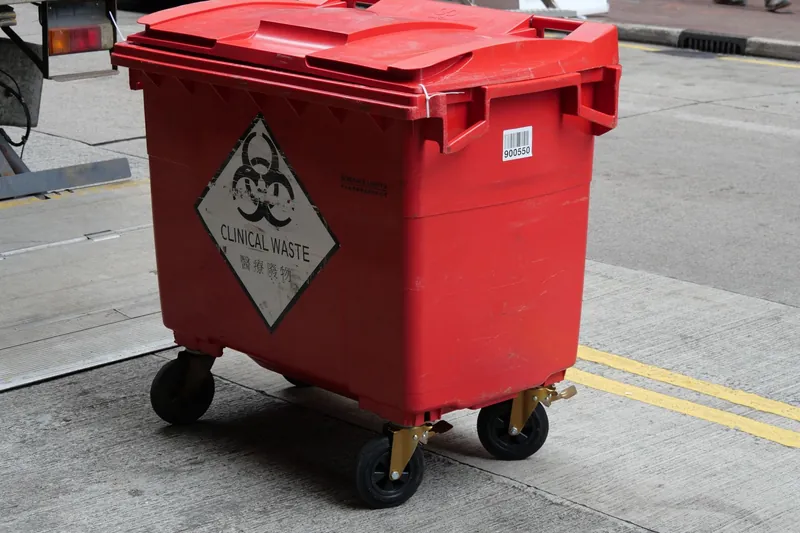
Emergency biohazard cleanup has no set duration. Its timing is shaped by the contamination type, how many areas are affected and which materials are involved. Hidden layers reached by fluids and the timing of the scene release also affect the schedule.
| Scene | Typical time on site |
|---|---|
| Small surface area on hard material | After evaluation, the work might be finished in one work period |
| One affected room where porous items must come out | Removal, inspection and cleaning may take place over several stages |
| Odor, damage to structural materials or several involved spaces | May require multiple work periods before restoration begins |
Odor removal begins by finding and removing the contaminated source. Fragrance and surface spray cannot correct fluids trapped under flooring, inside furniture or behind walls. Those materials need to be cleaned or removed before air treatment begins.
Airborne particles can be filtered by HEPA air scrubbers in a controlled work zone. Hydroxyls may suit certain occupied environments. Ozone, however, needs the controlled space to be empty and requires care before reentry. The source, materials affected and paths through the air determine which approach fits. When odor could have moved beyond the immediate area, HVAC openings are inspected.
The full emergency 24/7 biohazard cleanup guide covers what is cleaned or removed, odor and air quality work, and the rules that apply in Oklahoma.
Read the full emergency 24/7 biohazard cleanup guideLocal population patterns, housing and site access may affect how containment and cleanup are planned.
If direct exposure occurs, the closest listed emergency option is Ascension St John Medical Center, about 5.4 miles away, not the cleanup site.
The nearby places of Rosewood, Western Village, and Oakbrook Village give useful orientation when arranging equipment delivery and waste pickup.
Because this is a neighborhood within Tulsa, cleanup access may depend on local parking, common entrances, or building management rules.
During your call, ask whether cleanup is available in surrounding communities and ZIP codes.
Blood, body fluids and other infectious materials are removed, followed by property disinfection.
See biohazard cleanup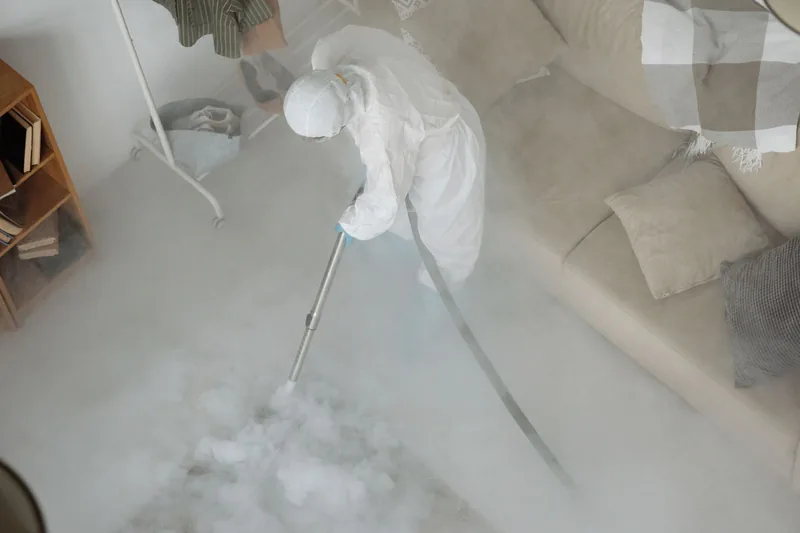
Complete decontamination treats the room, its surfaces and the air after a hazardous or infectious exposure.
See biohazard decontamination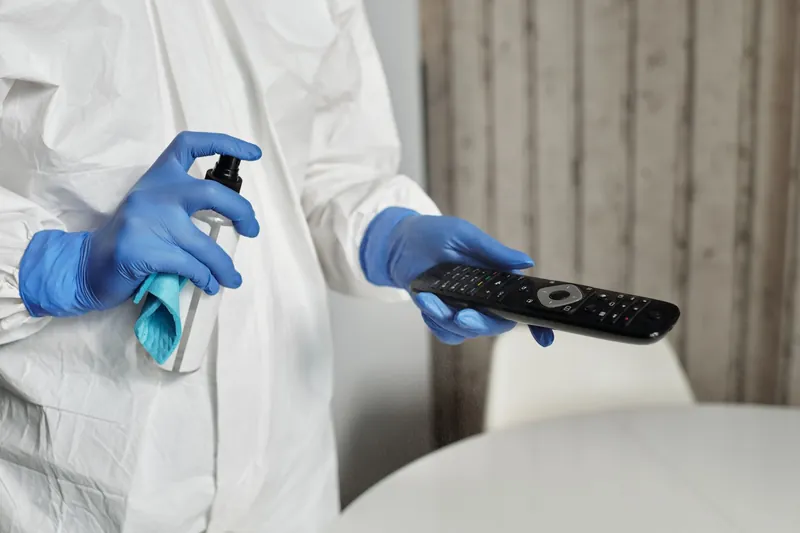
A contaminated space is restored to safe use through biological remediation and contaminant removal.
See biohazard remediation
Carpet, solid floors, walls and furnishings receive blood cleanup that includes safe disposal.
See blood cleanup
Trauma scene cleanup after accidents, injuries and violent events.
See trauma scene cleanup
Crime scene cleaning begins after police release and covers blood, odor and the affected property.
See crime scene cleanup
When a death remains undiscovered for days, cleanup addresses decomposition and controls odors.
See unattended death cleanup
Raw sewage cleanup of Category 3 black water, with disinfection and drying.
See raw sewage cleanupItems affected by blood, sewage, human waste or certain bodily fluids can be biohazardous, as can sharps and those substances themselves. Risk varies with origin, amount, affected surface and possible exposure path. If the origin or entire affected area is uncertain, prevent access and get advice before you touch or clean the material.
When blood, sewage, bodily fluids, human waste or another biological contaminant impacts a property, emergency biohazard cleanup means urgent cleaning and disinfection. The process involves odor treatment, controlled waste disposal, area containment, surface disinfection and removal of materials that are not cleanable. Police or other officials must release a controlled scene first.
Yes, if the biohazard scene is the source of the odor. Source removal comes first because fragrance alone only masks the problem. Once contaminated materials have been removed or cleaned, appropriate air treatment can reduce residual odor. The inspection may extend to surrounding rooms and HVAC access points where air could have traveled.
A few fresh drops of your own blood on a hard, non-porous surface may be manageable with gloves and a suitable EPA-registered disinfectant used for its full contact time. Leave cleanup to professionals if you cannot identify the source or full spill area, or when sharp objects or porous surfaces are involved.
Yes. Even when dry, blood must be considered potentially infectious. At least seven days of surface survival is possible for hepatitis B, according to the CDC. Do not scrape, sweep or vacuum dried blood because doing so may distribute the material. Block others from entering and organize appropriate cleaning whenever the affected area exceeds a small spot.
Move away from the spill, call 911 if anyone needs medical help, block access, avoid touching blood or sharps, wait for law enforcement to release any controlled scene, report a workplace exposure through the proper channel and arrange cleanup. Do not walk through the affected area or start household cleaning.
You can request respectful, discreet emergency 24/7 biohazard cleanup 24 hours a day, and crews use unmarked vehicles.